
Fiction & Performance
The Bench
A Monologue for Readers Theater about the secret life of public benches
Filed in Theater
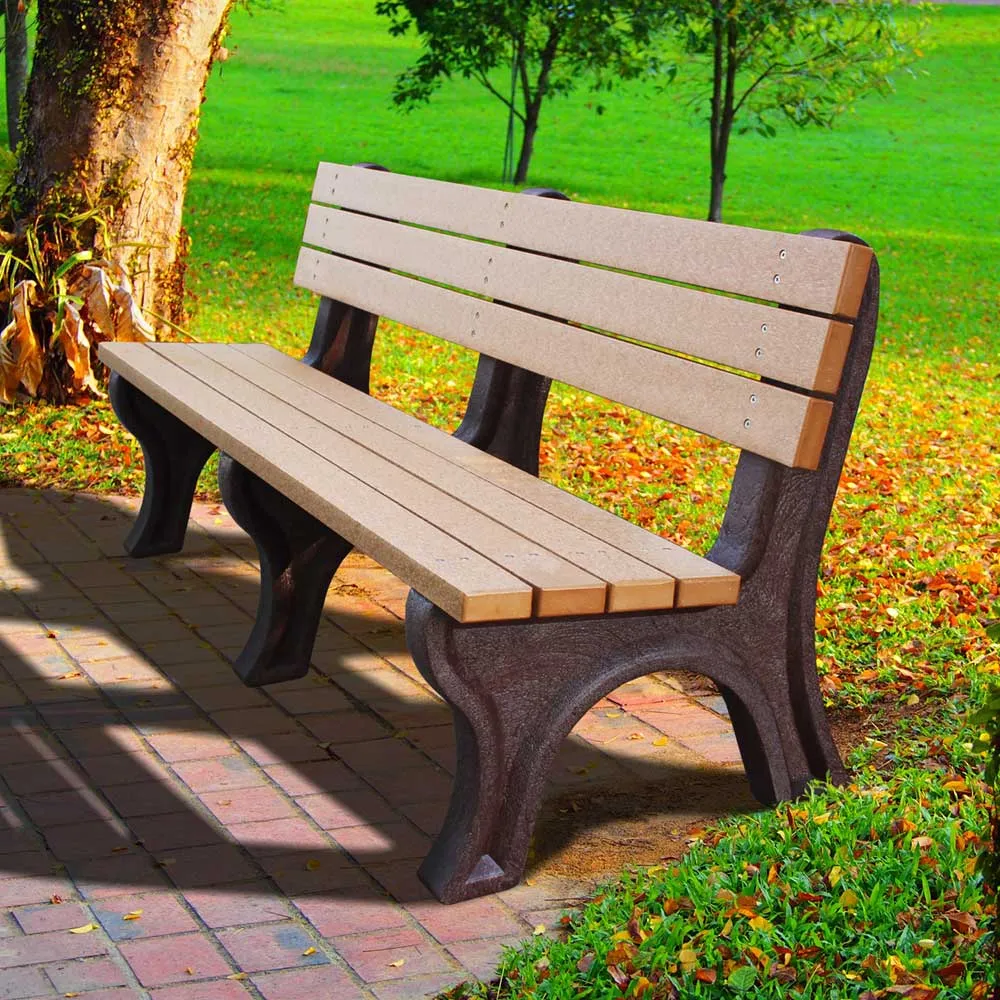
Every neighborhood has a bench that is not really for sitting.
It is for deciding.
People sit on it to decide whether they are tired, whether they are lonely, whether they have enough energy to walk the rest of the way home.
I know this because I have been studying the bench outside the library for three years.
At first, I was just waiting for the bus.
Then I noticed that nobody sits on a bench casually.
People approach a bench with a history.
They look at it.
They check the weather.
They check their knees.
They check whether anyone else is already sitting there and, if so, whether that person looks like someone who might begin a conversation.
That is important.
There are friendly people and there are bench-friendly people.
They are not the same.
A friendly person says hello.
A bench-friendly person says hello and then tells you about their gallbladder.
I learned the rules quickly.
Rule number one: if someone is sitting at one end, you sit at the other end.
Not beside them. Not close enough to share a newspaper. You leave a respectable amount of space between two complete strangers.
Approximately one dog.
Rule number two: you may look at the person beside you, but only if something has happened in the sky.
Rain. Lightning. A bird behaving illegally.
Otherwise, you look straight ahead.
Rule number three: if you both sigh, you are now acquaintances.
This happened to me last Tuesday.
I sat beside a man in a yellow jacket. We watched a bus go past without stopping.
He sighed.
I sighed.
He said, “That one is never on time.”
I said, “It is early when it is supposed to be late.”
We nodded.
We had become a committee.
The bench has seen everything.
It has seen first dates, last dates, and dates where two people sat three feet apart and stared at their phones while pretending to be together.
It has seen children eating crackers, pigeons making administrative decisions, and one man who came every afternoon to feed the squirrels.
The squirrels did not need the help.
They had a system.
One squirrel sat near the tree and looked harmless.
The other one took the food.
That is not begging. That is organized crime.
The bench has also seen me on bad days.
On bad days, I sit down very carefully, as if the bench might ask me to explain myself.
I look straight ahead.
I do not want conversation.
But I do want evidence that the world is still operating.
So I watch people pass.
There is a woman who walks her dog in a red sweater. The dog is small, elderly, and furious about everything.
There is a young man who runs past every morning with a determined expression and shoes that cost more than my first car.
There is a child who has never once walked around a puddle when he could walk through it.
And there is an old man who sits on the bench every day at four o’clock.
He brings a newspaper but never opens it.
He just holds it in his lap and watches the street.
One day I asked him what he was waiting for.
He said, “Nothing.”
I knew exactly what he meant.
Nothing is not empty.
Nothing is a place where the mind can finally take off its shoes.
I sat beside him.
We watched the library doors open and close.
After a while, he said, “You come here often.”
I said, “That sounds like something people say before asking for money.”
He laughed.
Not a polite laugh. A real laugh.
Then he told me the bench had been there longer than the library sign, longer than the flower bed, and probably longer than the man who installed the trash can.
He said the bench had held every kind of person.
People waiting for good news.
People avoiding bad news.
People who needed to sit down before they could say what came next.
I looked at the bench.
It is not beautiful.
The paint is peeling. One of the boards has a mysterious stain. There is a small metal plaque that says, “In memory of Louise,” but no one knows who Louise was.
Maybe Louise liked benches.
Maybe Louise sat there and watched the squirrels run their operation.
Maybe Louise understood that a public bench is one of the last places where nobody has to buy anything.
You can sit there without ordering coffee.
You can sit there without answering a message.
You can sit there without being productive.
The bench does not care what you accomplished today.
It does not ask whether you are behind.
It does not need your password.
It only asks that you leave room for somebody else.
(A pause.)
So now, when I see someone approaching, I move over.
Not all the way.
Just enough.
Enough for one dog.
Enough for a stranger with a story.
Enough for the possibility that neither of us will say a word.
And if we both sigh—
well, then we are practically family.